
Dresses have actually been a staple in women's style for centuries, evolving from simple garments to elaborate art pieces that show the trends and values of each age. From timeless silhouettes to modern styles, the history of dresses is an interesting journey through time. Let's dive into the development of dresses throughout history and explore how they have changed from functional clothing products to expressions of personal style and creativity.
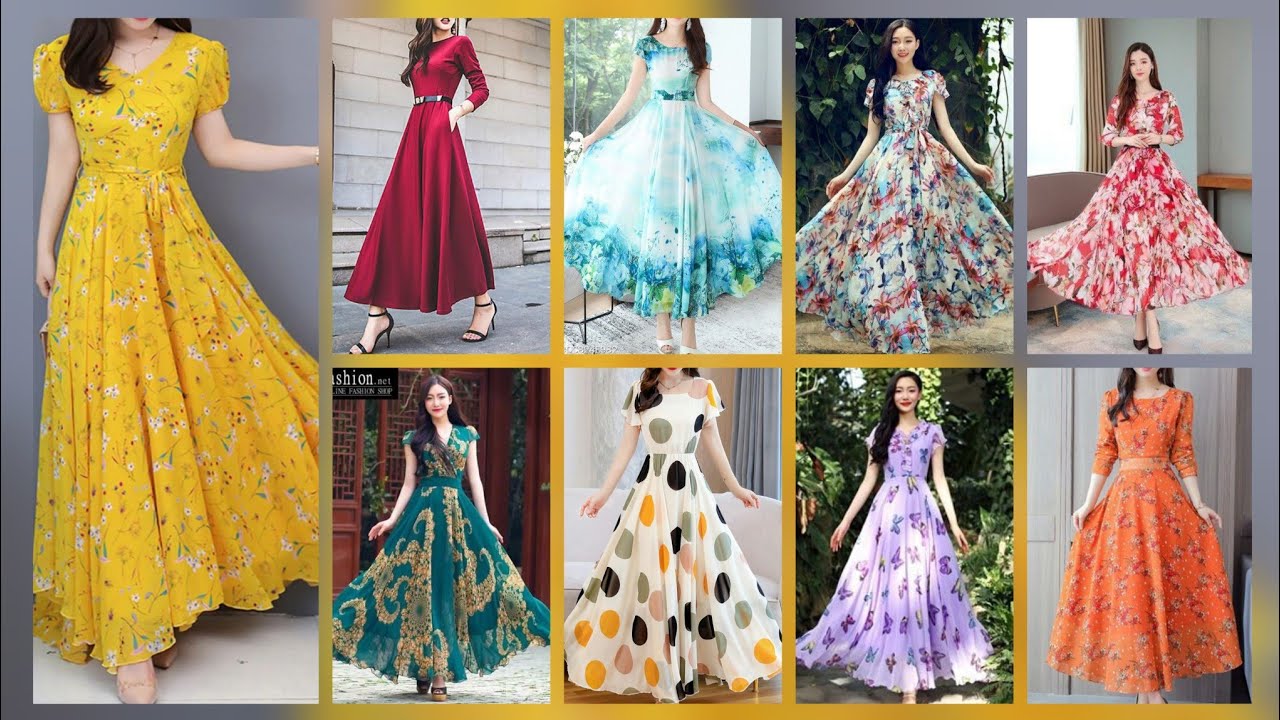
Ancient Civilizations: The Origins of Dress Neck
In ancient civilizations such as Egypt, Greece, and Rome, dresses were frequently made from simple fabrics like linen and wool. The dress neck was normally high and modest, showing the conservative worths of the time. Women's dresses were long and flowy, with loose-fitting shapes that permitted ease of movement.
Medieval Times: The Rise of Dress Styles
During the middle ages period, dress styles ended up being more intricate and structured. Women's dresses featured fitted corsets, puffed sleeves, and elaborate embroidery. The waistline was typically highlighted with a belt or sash, developing a lovely shape. Dresses throughout this time were a symbol of wealth and social status, with elegant fabrics like silk and velour being reserved for the nobility.
Renaissance Age: The Birth of Women's Casual Dress
The Renaissance era saw a shift towards more casual dress styles for ladies. Loose-fitting tunics and gowns ended up being popular, permitting greater comfort and flexibility of motion. Ladies began to explore various materials and colors, adding personal style to their attire. The dress tunic emerged as a flexible garment that might be dressed up or down depending on the occasion.
Victorian Age: The Era of Women's Plus Dresses
In the Victorian age, females's plus dresses ended up being stylish as curvier figures were celebrated. Dresses included abundant skirts, fancy ruffles, and elaborate lace details. The hourglass silhouette was highly sought after, with bodices being utilized to achieve the preferred shape. Women's fashion ended up being more elaborate and elegant throughout this time, showing the luxury of the Victorian era.
Roaring Twenties: The Influence of Dress Hats
The 1920s produced a remarkable modification in females's fashion with the intro of flapper dresses. These dresses were defined by their loose fit, brief hemlines, and decorations like fringe and sequins. Dress hats also became popular accessories during this time, including a touch of glamour to an outfit. Women welcomed a more daring and liberated design, breaking away from traditional norms.
Mid-Century Modern: The Development of Dress Kids
In the mid-century modern-day age, children's style began to play a larger role in forming dress styles. Dress kids became popular with matching mother-daughter outfits and miniature versions of adult clothes. Dresses for women included spirited prints, intense colors, and whimsical information that appealed to a more youthful audience. Fashion became more available and inclusive during this time.
Vintage Revival: A Return to Classic Dresses
In recent years, there has actually been a resurgence of interest in vintage dresses from previous periods. Vintage dresses use a sense of fond memories and classic beauty that attract modern fashionistas. Designers have reinterpreted classic shapes with a contemporary twist, producing unique pieces that blend old-world beauty with modern sensibilities. Vintage dresses continue to inspire new generations with their long-lasting beauty.
Fashion Forward: Welcoming Dress Wear
Today, dress wear incorporates a large range of designs that cater to varied tastes and choices. From sleek sheath dresses to bohemian maxi dresses, there is something for everybody in the world of style. Designers are constantly pushing limits and explore brand-new products and strategies to develop innovative styles that show current patterns. Dress wear has become an expression of uniqueness and self-expression in today's hectic world.
Styling Tips: How to Rock a Blouse Dress
Looking for methods to elevate your wardrobe? Consider adding a blouse dress to your collection! This flexible piece can be dressed up or down depending upon the event. Match it with heels for an advanced appearance or tennis shoes for a casual vibe. Add statement precious jewelry or a belt to define your waist and produce visual interest. Explore different lengths and silhouettes to discover what works best for your body type.
Shopping Guide: Where to Discover Vintage Dresses
Interested in including some classic style to your closet? There are a lot of options available both online and in stores! Take a look at thrift shops, classic shops, or online marketplaces like Etsy or Depop for unique finds. Look for quality fabrics like silk or cotton that will stand the test of time. Do not be afraid to blend classic pieces with modern-day staples for a fresh take on traditional style.
Celebrities Who Rocked Retro Dresses
Celebrities are understood for setting patterns on the red carpet and beyond! Many well-known faces have been spotted wearing retro-inspired dresses that pay homage to past ages while still looking contemporary and chic. From Taylor Swift's 1950s-inspired polka dot dress to Beyoncé's glamorous 1970s gown, these stars know how to rock retro design with confidence.

FAQs About Dress Evolution
1- What are some essential characteristics of traditional dresses?
Timeless dresses are typically identified by ageless silhouettes like A-line or sheath shapes.
2- How has dress neck developed over time?
Dress necklines have gone from high collars in ancient times to plunging V-necks in contemporary styles.
3- Why are vintage dresses making a comeback?
Vintage dresses provide a sense of nostalgia and quality craftsmanship that is frequently doing not have in quick fashion.
4- What role do devices play in dressing up an outfit?
Devices like belts, jewelry, hats can include character & & flair when styling an outfit.
5- How can I discover my ideal dress style?
Experimenting with different silhouettes & & colors is crucial! Try on different designs until you find one that makes you feel confident.
6- Where can I get tips on styling my preferred dress?
Style blog sites & & magazines are excellent resources for inspiration & & styling tips when assembling an outfit.
Conclusion: Commemorating Variety in Fashion
From traditional silhouettes soaked in custom to modern designs pushing borders, the development of dresses throughout history shows altering attitudes towards style and self-expression. Whether you choose vintage elegance or modern-day minimalism, there is something for everyone on the planet of dress wear. Embrace your http://kylerkanc966.theglensecret.com/channel-your-inner-goddess-with-a-kaftan-dress distinct design journey by checking out different eras & & patterns - after all every lady deserves her perfect dress!